eTrustie is a trust-services platform — agreements, signatories and escrow flows for legal teams.
Trust software is traditionally forms on top of forms. We rebuilt eTrustie around the document as the primary object — everyone sees the same artifact and acts on it in place.
The signatures flow took three tries to feel right. Version three turned what used to be a six-step wizard into a single inline interaction next to the clause.
How we worked
Trust-services software has thirty years of pattern debt: forms on top of forms, signatures inside PDF viewers, notes in Excel. The first month was spent convincing the legal team that the document could be the surface — not something you attach to a form, but the thing you actually work with. Three of them pushed back hard; two of them have since told me it's the part of the product they miss when they use competitors.
The signatures flow took three tries. The first was a modal wizard — six steps, three screens each, nested rules. It worked on the demo and failed in user testing. The second collapsed the wizard into an inline drawer; it halved the time but still pulled the user away from the document. The third attempt — the one that shipped — turned the whole action into an inline interaction next to the clause itself. The user never leaves the document. The legal team signed off in one review.
Onboarding was the quiet piece. A trust product has to earn the right to hold someone's assets, and every setup step is a moment where the user can decide you're not serious. I wrote every microcopy string personally, in two passes with the legal team — once for accuracy, once for tone. The second pass mattered more than I expected.
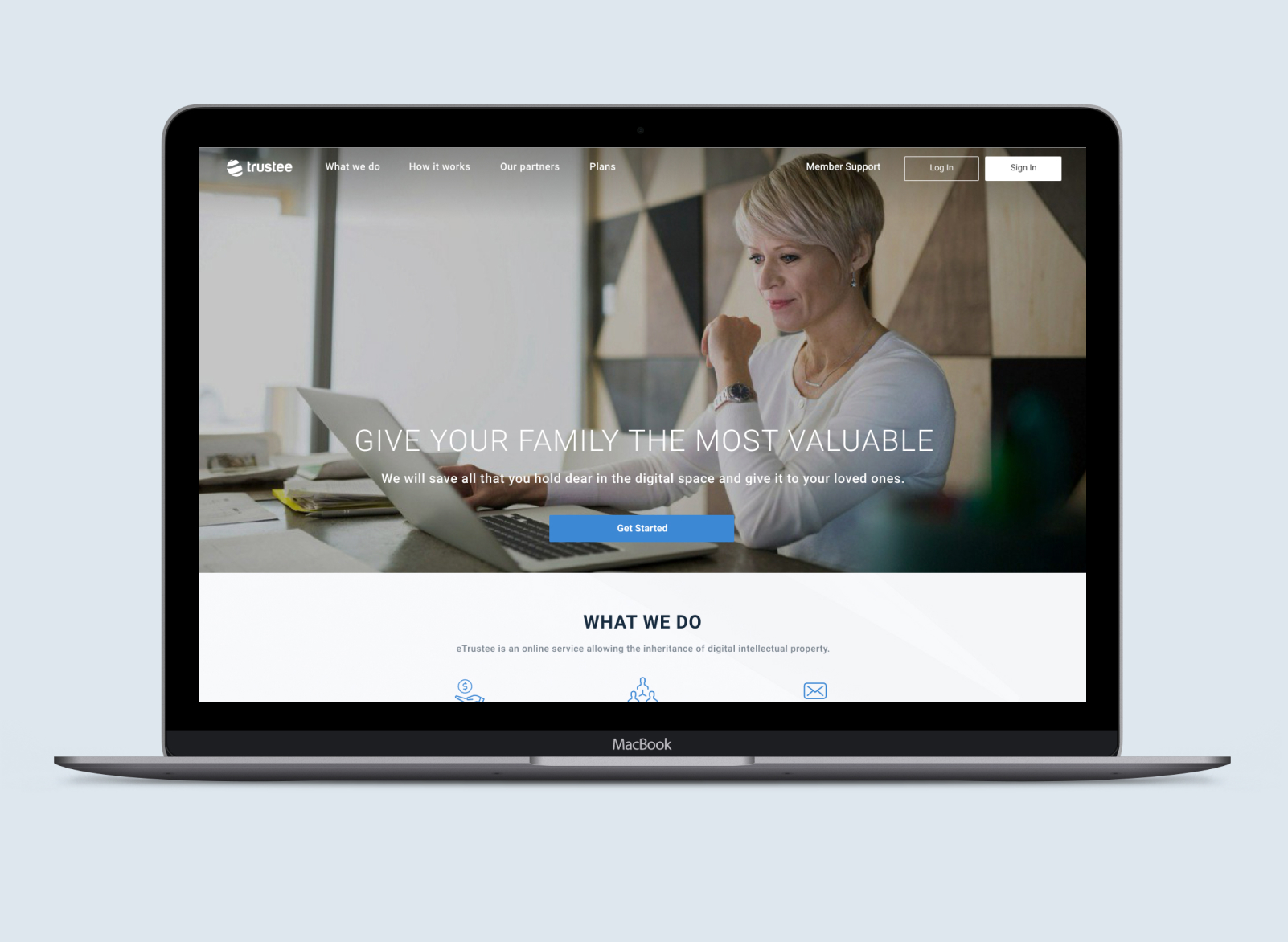
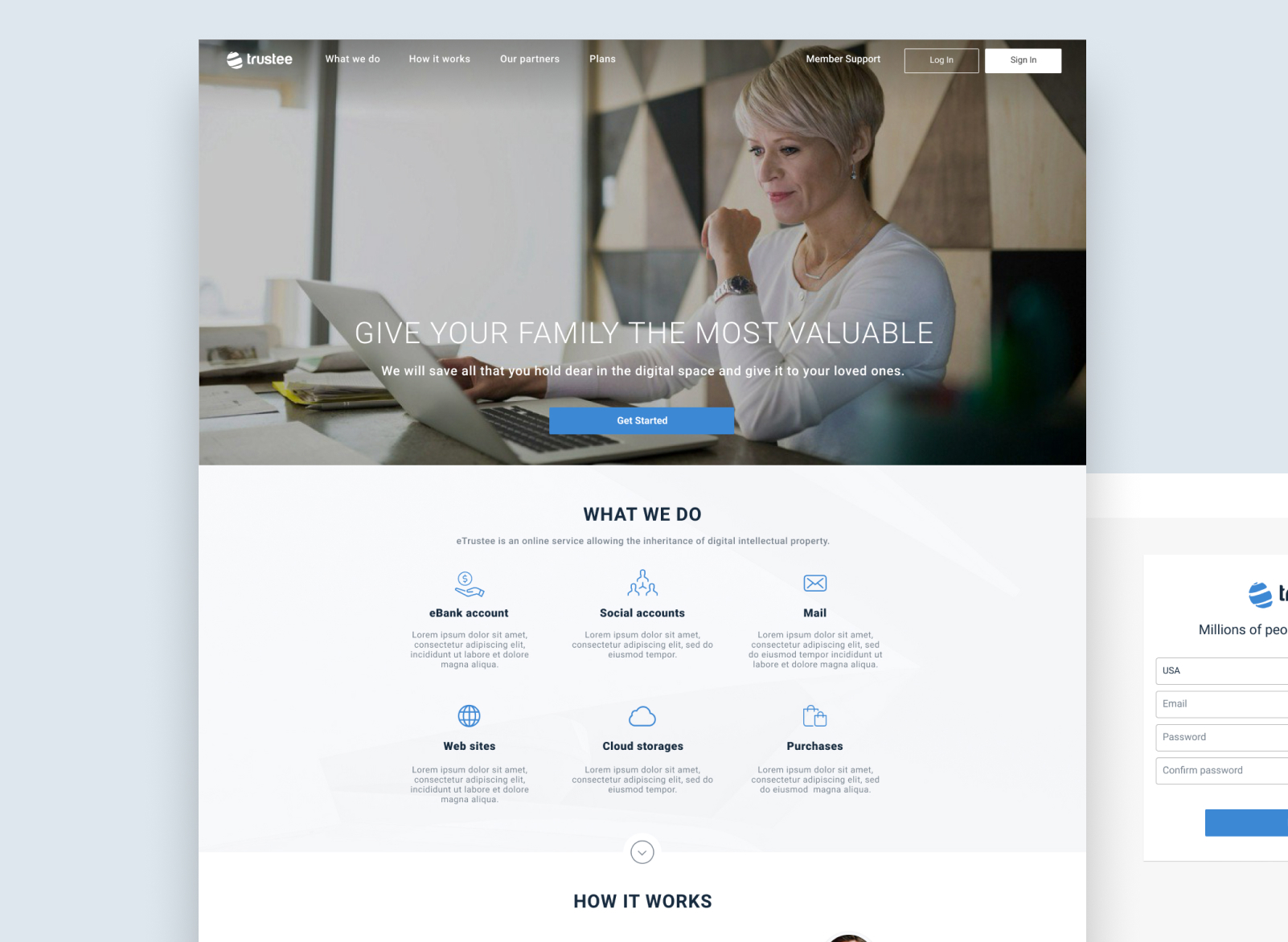
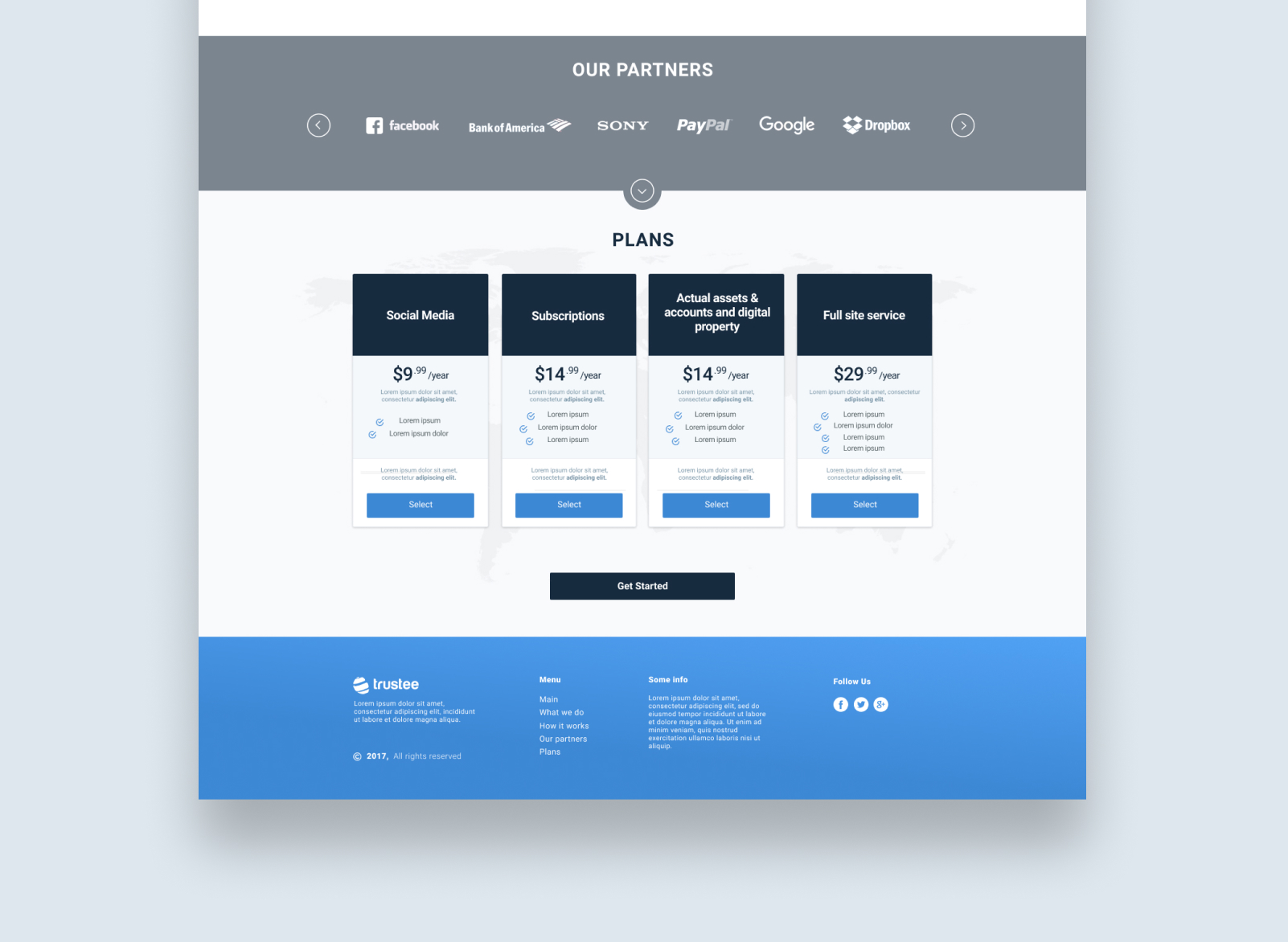
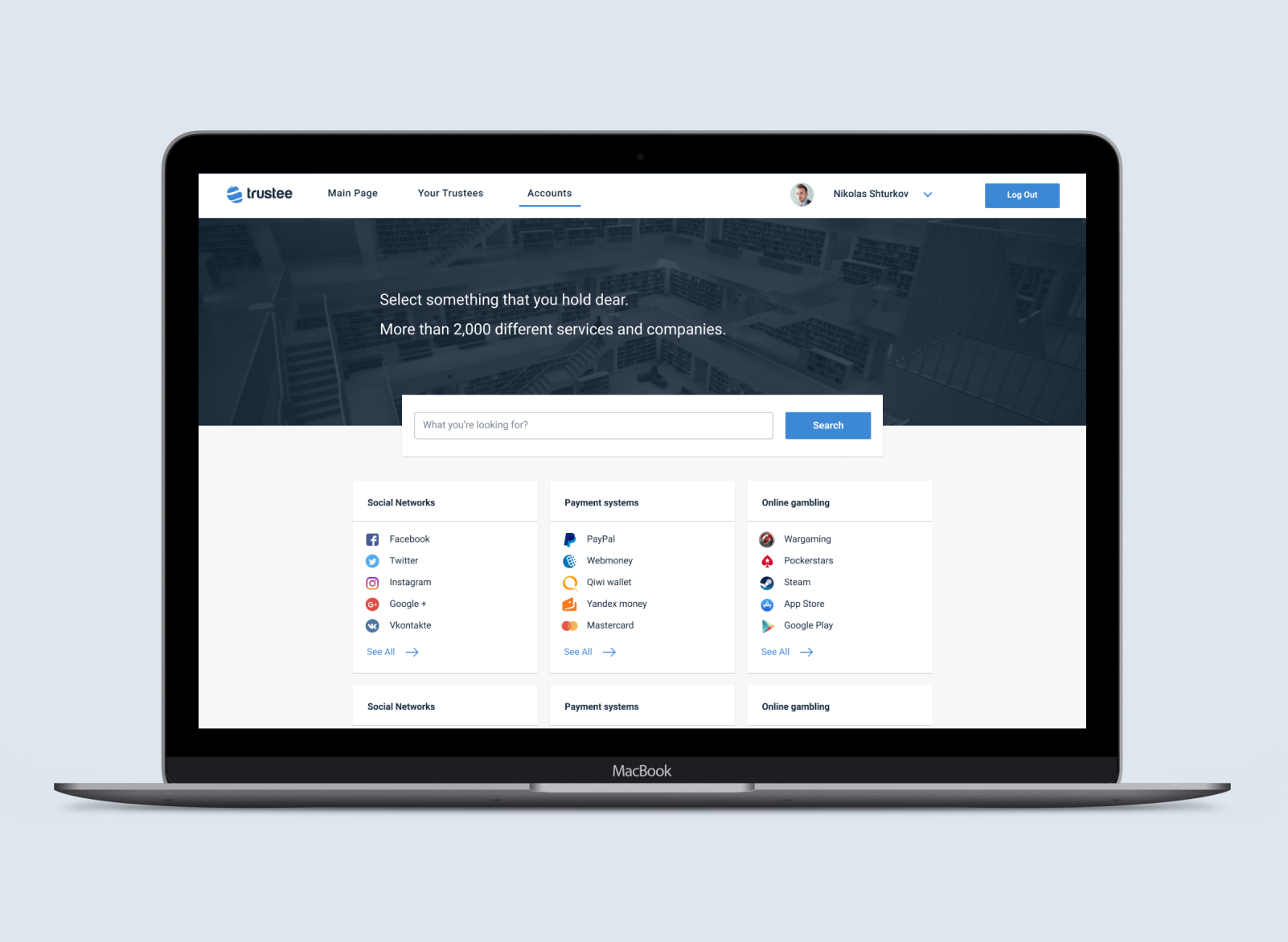


What shipped
- Asset registry: accounts, credentials, instructions
- Trustee assignment with per-asset granularity
- Consent and legal-binding flows
- Secure key storage and recovery model
- Onboarding tuned for trust and clarity
Closing note
A product about something most apps avoid talking about. Designing it meant balancing legal accuracy with a tone the user can actually live with.