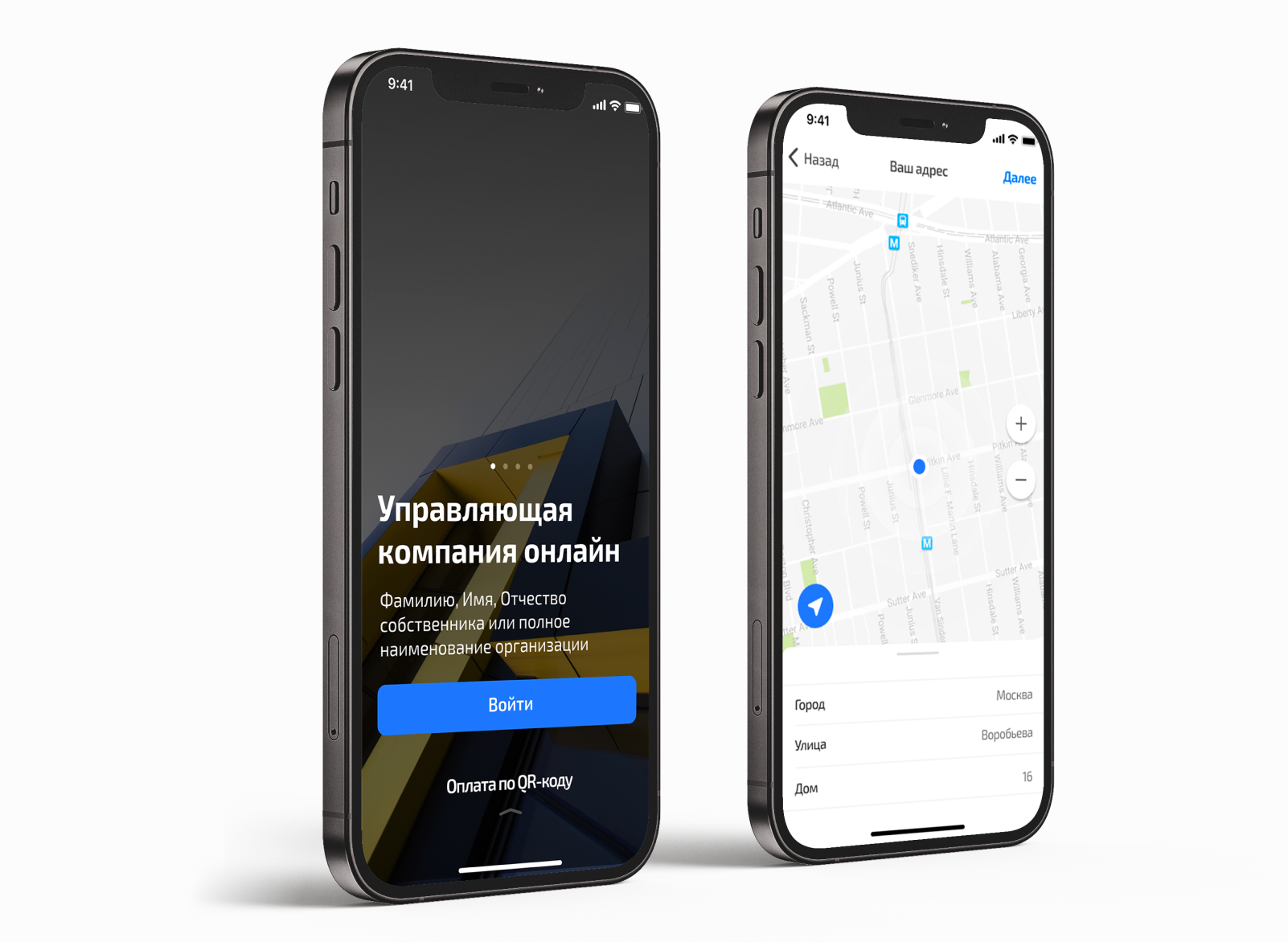
Domyland is a resident-facing app — the front door to a management company, with chat, bills, on-demand services and a household calendar in one place.
Most residents never open the app from their management company. The gap is usually a combination of old UX and no reason to return — nothing actionable, no visible response, no reason to trust it with a second problem. We treated Domyland as a product the tenant chooses to open, not a portal they're forced through.
The chat with the management company had to be the core. Not an inbox, not a ticket system — an actual thread where a message about a broken lift is visible, status-tagged, and answered within the SLA the company already promises offline.
How we worked
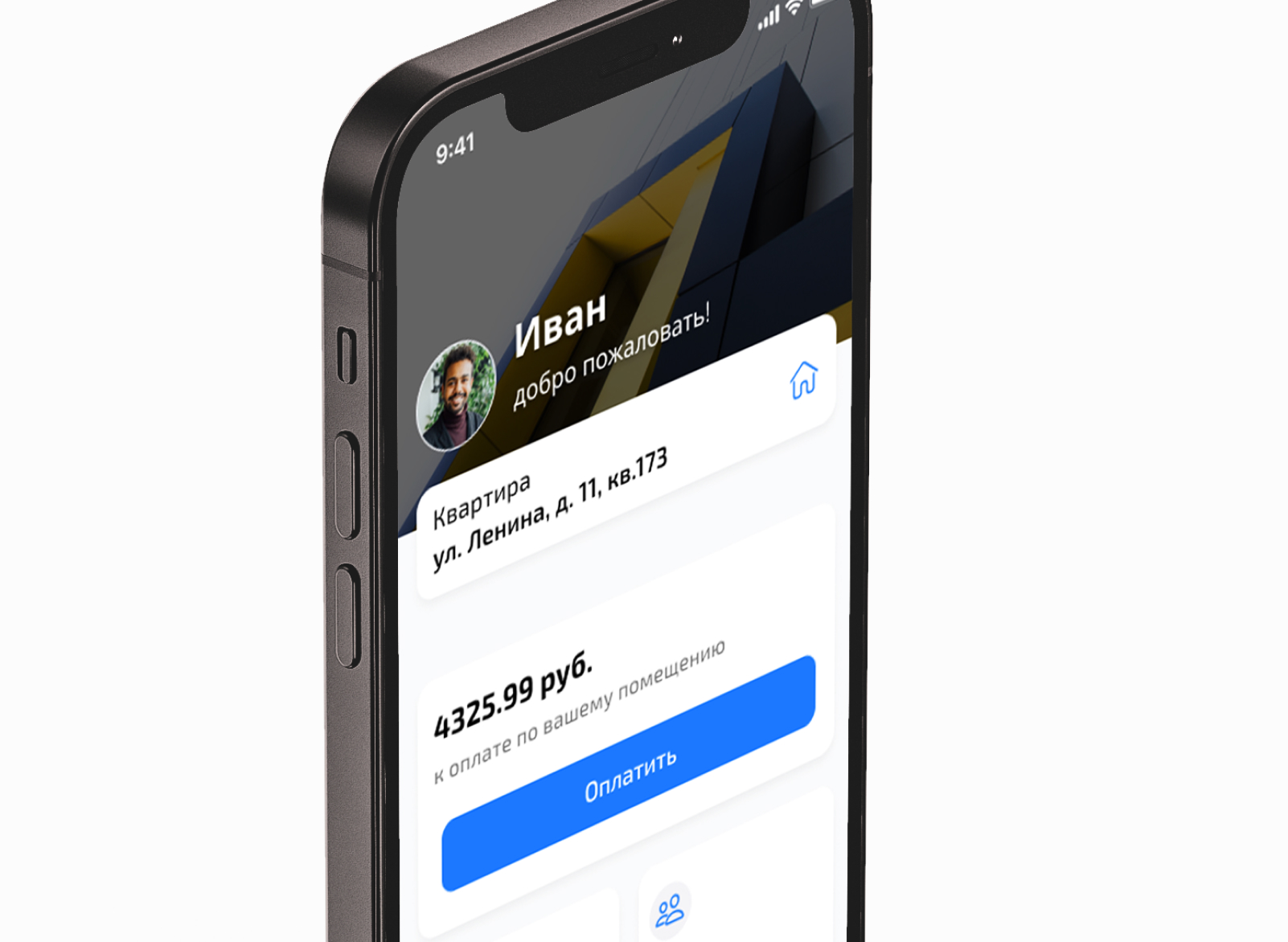
Research started on the tenant side. Three weeks of interviews with residents of a single building in Moscow — not the loudest voices, just whoever opened the door. The recurring pattern: people don't know who to write to, don't know if anyone reads it, and switch to shouting into a WhatsApp group out of resignation. The home screen was designed to answer that, in order: 'someone is reading', 'here's what's happening', 'here's what you can do next'.
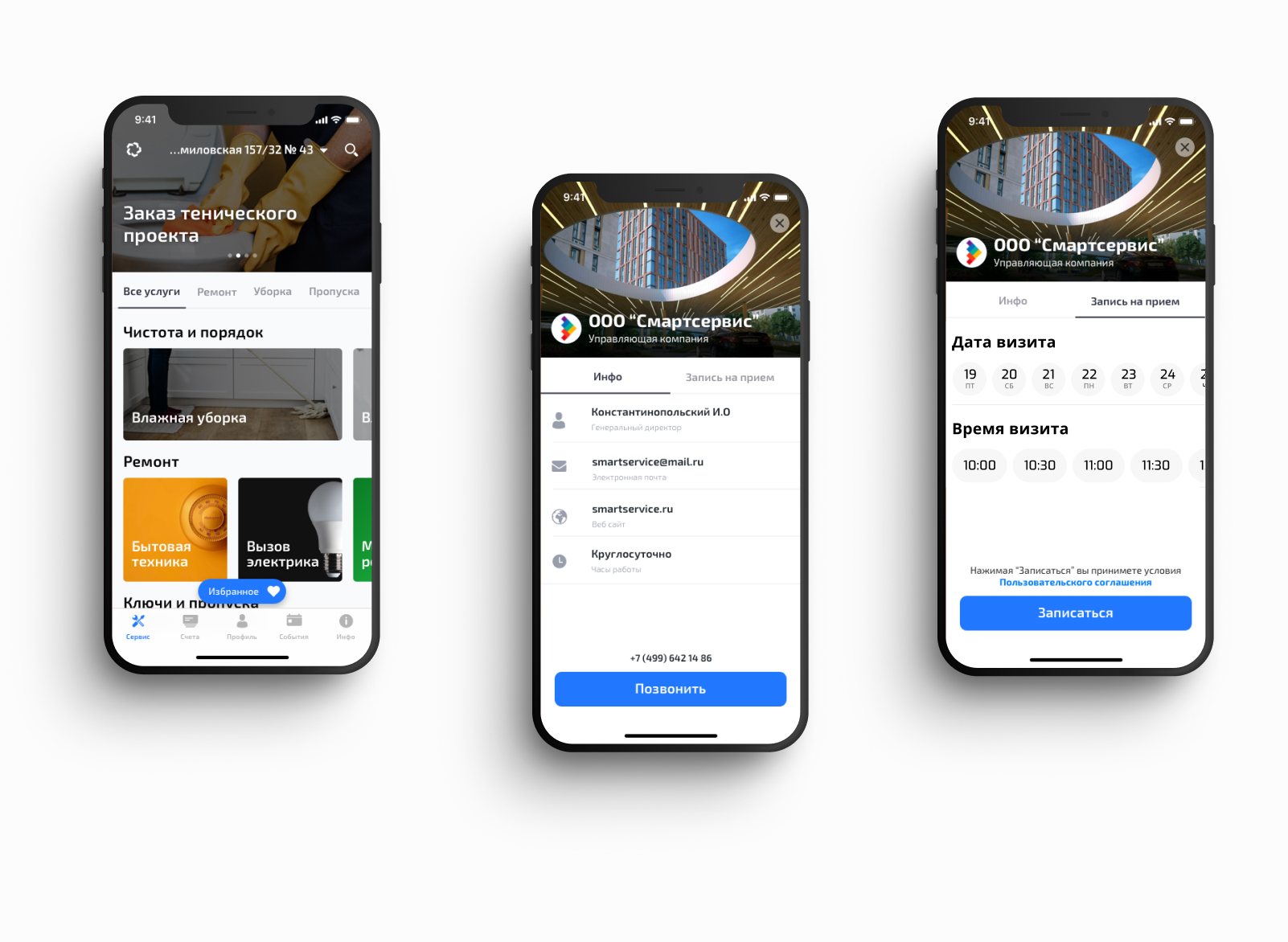
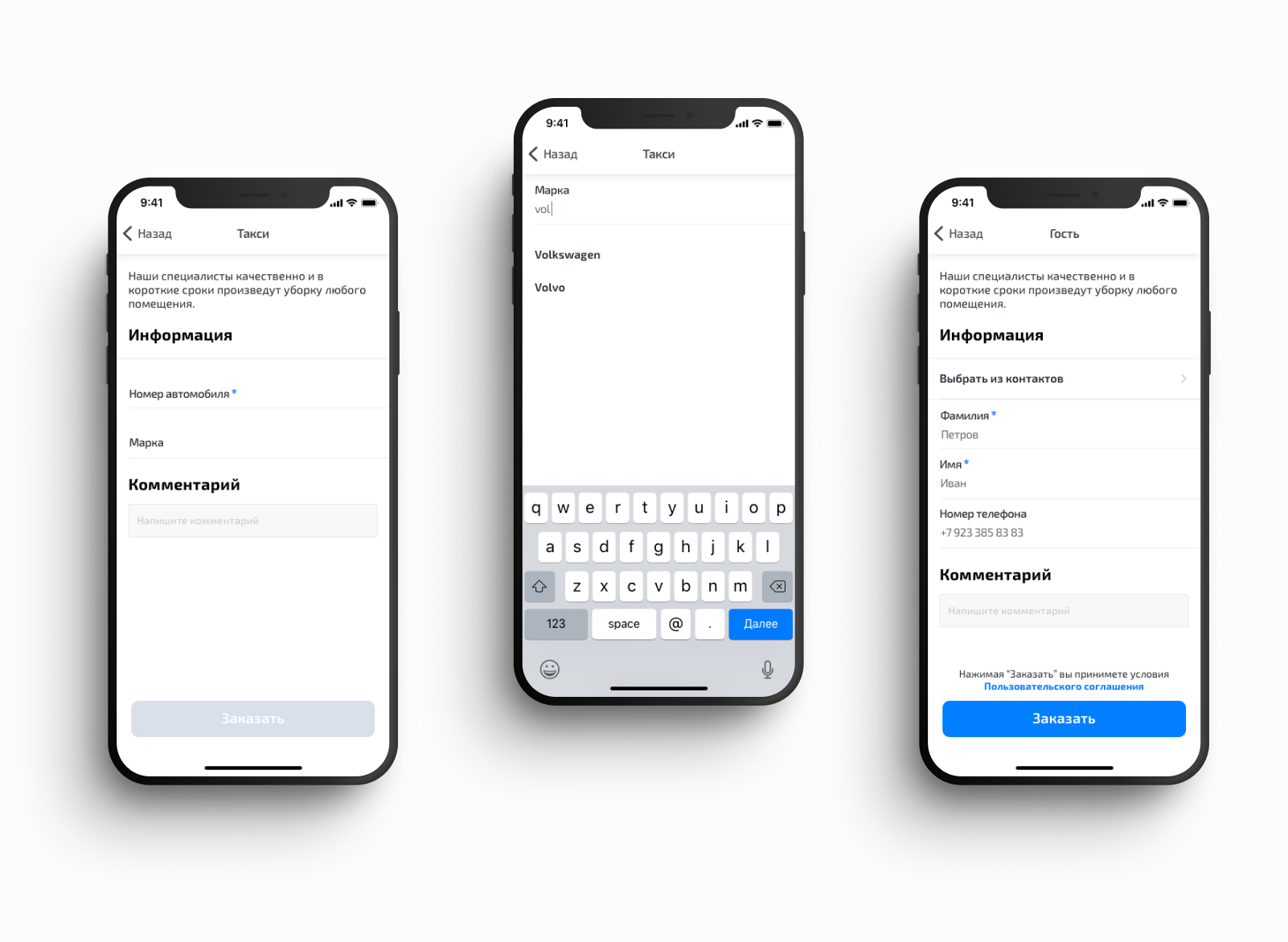
The services layer — cleaning, food, taxi, repairs — was the hardest and easiest part. Easiest because every one of those is a mature standalone vertical with its own app. Hardest because the tenant doesn't want four more accounts. We stitched partner APIs behind one sheet, kept the payment in Domyland, and let the partner apps handle execution. The user sees one flow; the company sees clean attribution.
The cross-platform library was the quiet win. iOS and Android shipped from the same design system from day one — same tokens, same patterns, same sheets — and every partner integration after launch took days instead of weeks. The home feed still updates twice a day; the sheet component has been reused seven times since launch.
What shipped
- Tenant ↔ management chat with status and notifications
- Bill payments and history
- On-demand services: cleaning, food, taxi, repairs
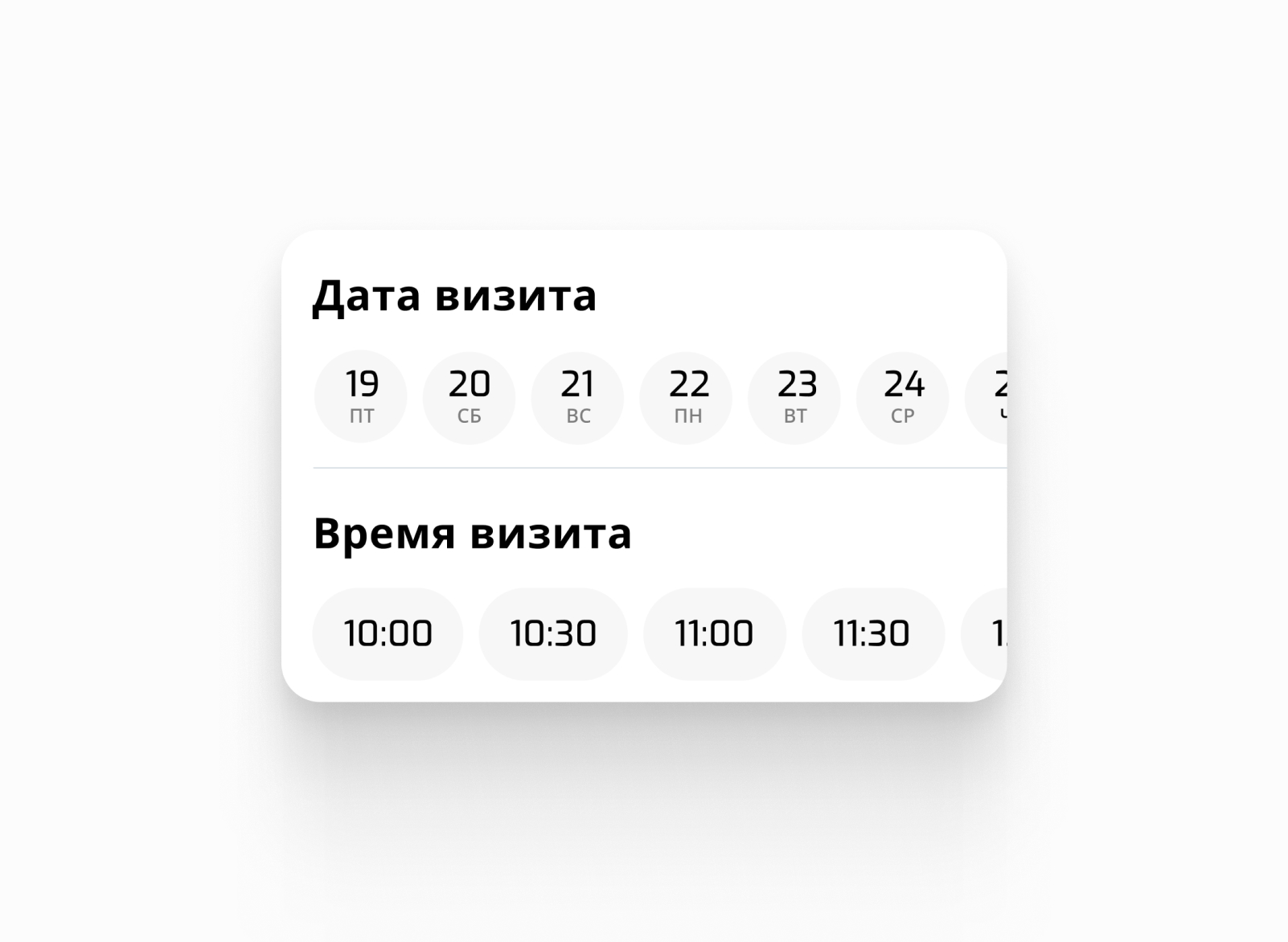
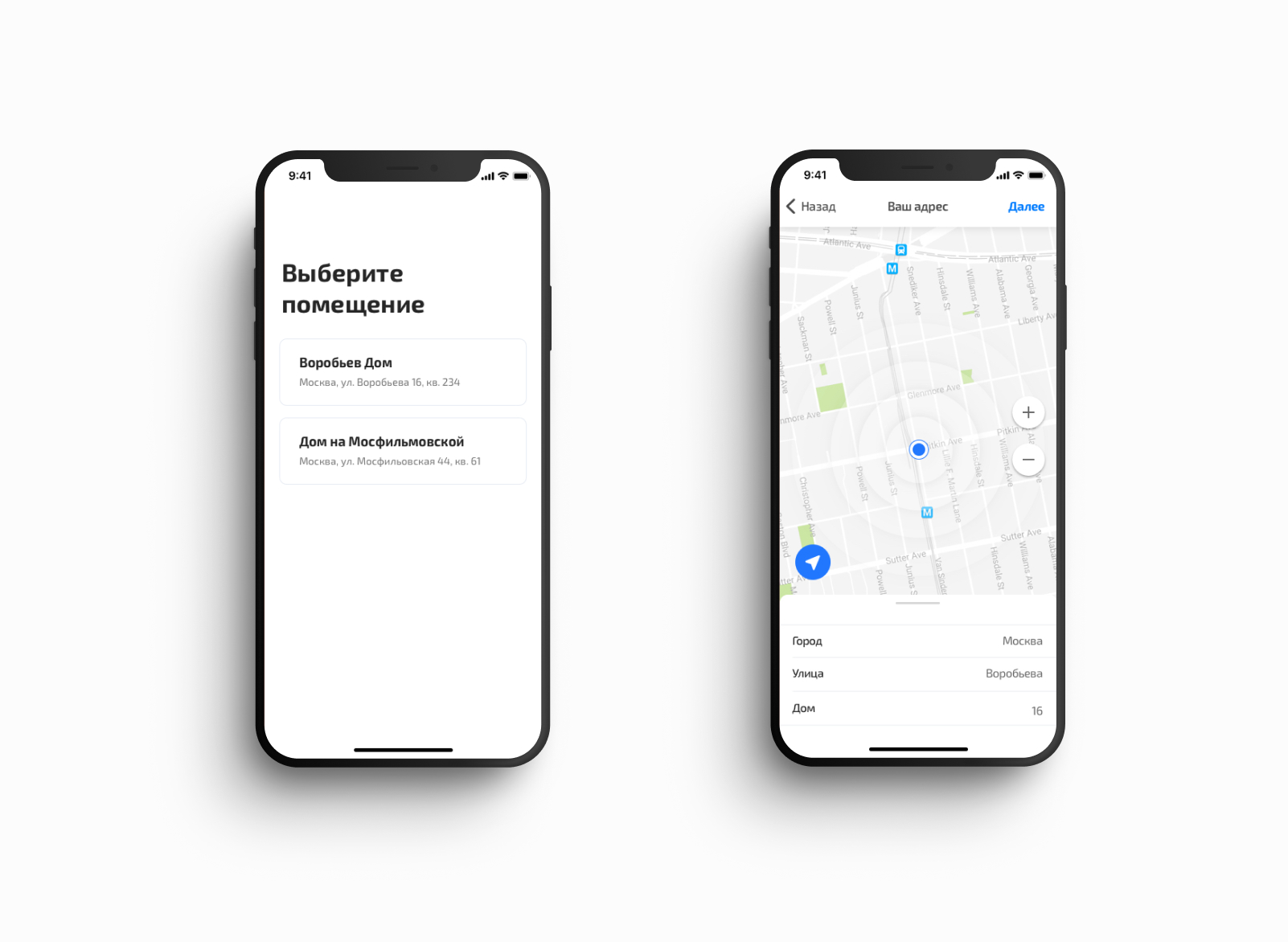
- Property profile, requests log, household calendar
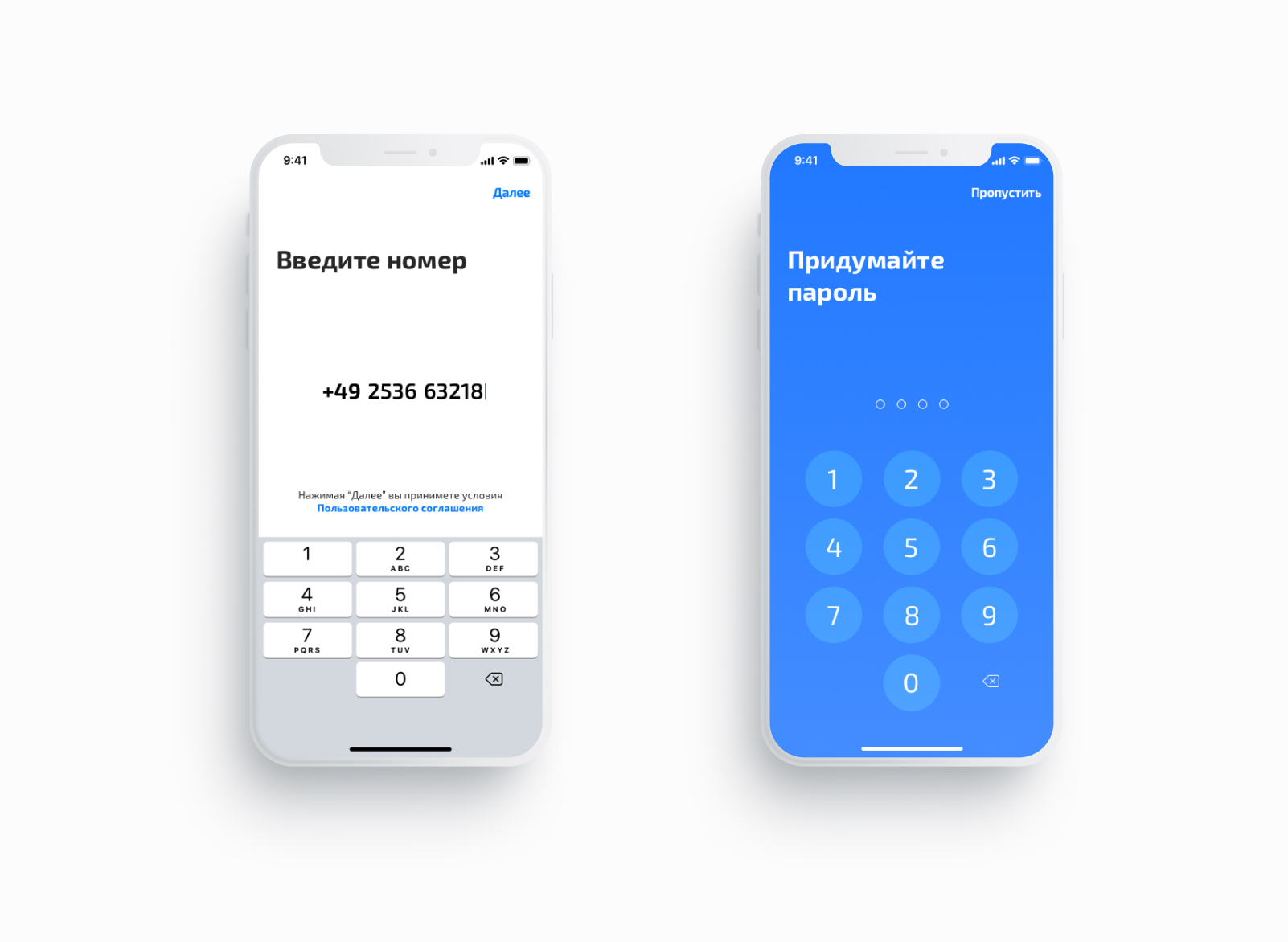
- iOS and Android with a shared component library
Closing note
A management company is rarely seen as customer-facing software, and that was the bet — turn the front desk into something a tenant actually opens, not something they avoid. The first building we shipped to had a twenty-eight percent daily active rate in the second month. That's the number I still think about.